

Answering Service vs. AI Voice vs. AI Dispatch: A Home Service's Ultimate Guide
Don't overpay for message-taking. Learn the difference between AI receptionists and true AI Dispatch to automate your home service booking and save thousands.
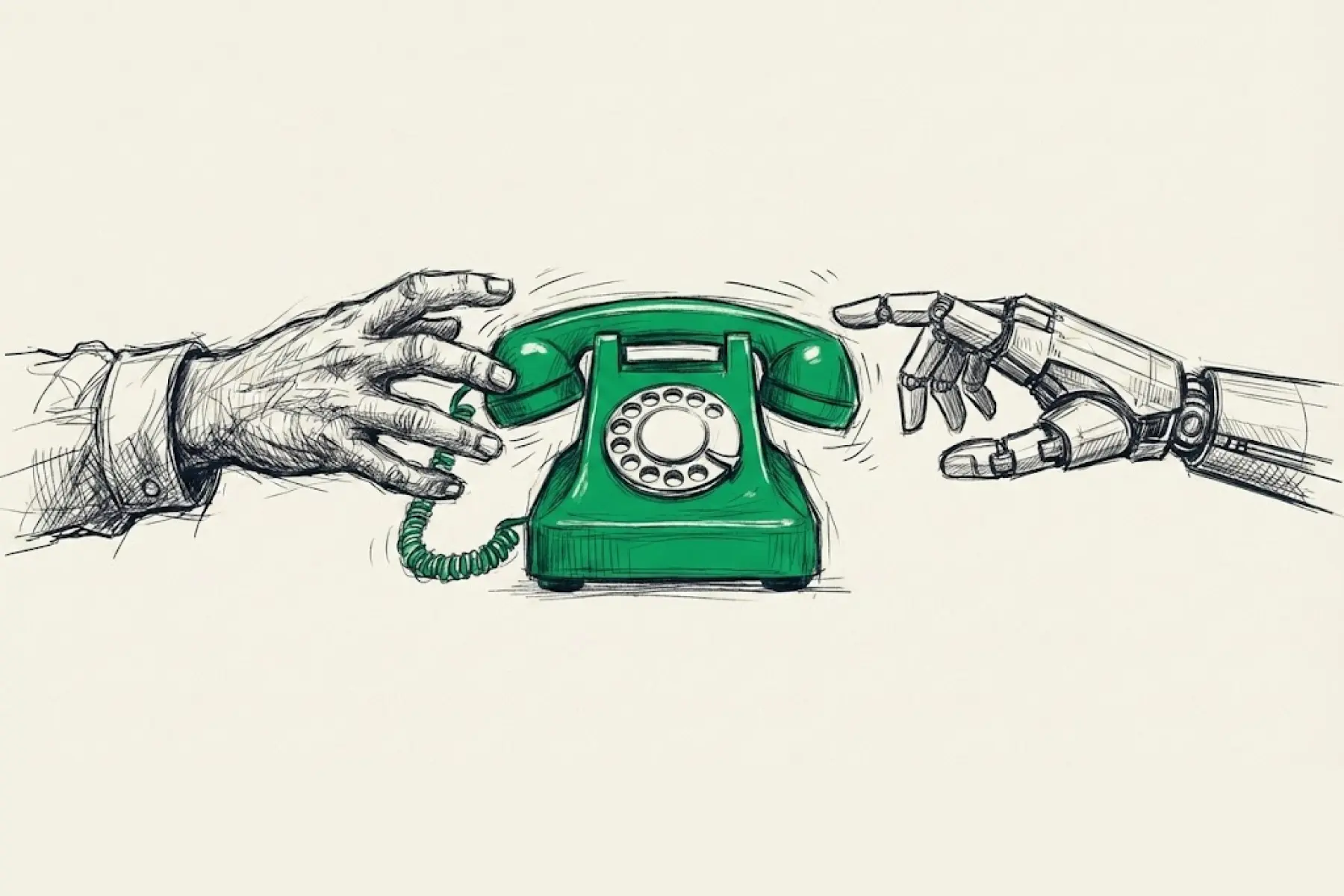
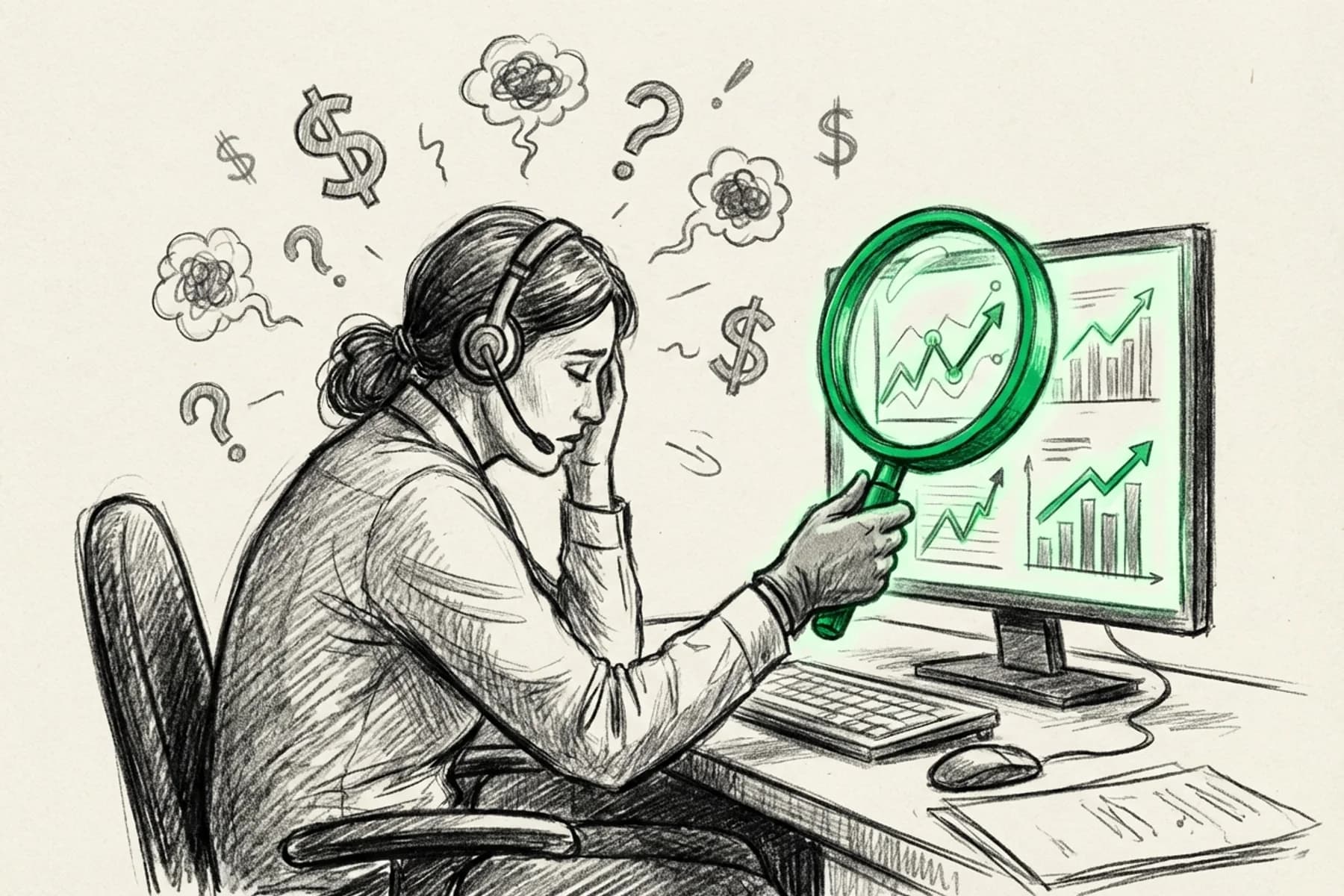
The market is flooded with "solutions": answering services, AI voice, AI receptionists, AI dispatch.
Most owners can't tell them apart. Vendors know this, and they exploit it.
By the end of this guide, you'll know exactly what questions to ask any vendor. You'll know which solution actually fits your business. And you'll stop bleeding your lead generation dollars to competitors who simply picked up the phone.
What is an answering service?
Definition: Live human operators who answer calls on your behalf.
How it works: Your calls forward to a call center. A human picks up, takes a message, and sends it to you via text or email.
Costs: Industry data shows $0.75 to $2.00 per minute. Monthly plans average $135 to $400 for basic coverage. Extended hours run $200 to $600 per month. True 24/7 premium service? Often exceeds $1,000 per month.
Best for:
Businesses handling high-value, emotionally complex calls (insurance claims, luxury services)
Situations where human empathy is genuinely non-negotiable
Companies with budget to support premium service
Limitations:
Humans make mistakes under pressure
Limited hours unless you pay premium rates
Caller still waits for a callback to get their appointment
For many HVAC answering service needs, this model creates a bottleneck: someone still has to call the customer back to book the job.
What is AI voice (AI receptionist)?
Definition: Automated voice systems that answer calls and collect information.
How it works: AI answers your line, asks scripted questions, records the caller's information, and sends you a transcript.
The industry's dirty secret: Many "AI Voice" solutions are marketed as intelligent assistants but functionally just take messages with a friendlier tone than voicemail.
Modern AI receptionists CAN do more: booking appointments, updating CRMs, routing calls. But many basic solutions remain limited to message-taking. The critical question isn't "Is it AI?" It's: does it act or just record?
(Not sure about the difference between AI and basic automation? This breakdown explains it.)
Best for:
Businesses upgrading from voicemail who want transcripts
Operations where next-day follow-up is acceptable
Lower call volumes where speed-to-lead isn't make-or-break
Limitations:
Still requires human follow-up to convert the lead
Caller hangs up without a confirmed appointment
Waiting even 60 minutes to respond makes you 7x less likely to qualify the lead
If you're evaluating a call center software for your home service business, understand that most AI voice tools are just a step above voicemail. They capture information. They don't capture revenue.
What is AI dispatch?
Definition: An AI that doesn't just answer. It qualifies, books, and dispatches jobs autonomously.
How it works: AI answers, qualifies the lead with your criteria, checks your real-time calendar, books the job, confirms with the customer, and updates your system. All in one call.
The key difference: The caller hangs up with a confirmed appointment. Not a promise that "someone will call back." Not a transcript sitting in your inbox. A booked job (see how Tradesly's AI Dispatcher handles this end-to-end.)
Best for:
Growth-focused businesses that want to capture and convert leads 24/7
Operations looking to scale without adding headcount
Any company where calls going cold overnight is bleeding revenue
Limitations:
Requires integration with your scheduling system
Not ideal for businesses with highly complex custom quoting processes
AI dispatch represents the ability to fully automate call handling from first ring to confirmed booking. For HVAC business management, this means your after-hours calls convert while you sleep.
How do answering services, AI voice, and AI dispatch compare?
Feature | Answering Service | AI Voice (Receptionist) | AI Dispatch |
|---|---|---|---|
Answers calls 24/7 | Depends on plan | Yes | Yes |
Takes messages | Yes | Yes | Yes |
Qualifies leads | Sometimes | Rarely | Yes |
Books appointments | No | No | Yes |
Integrates with CRM/calendar | Rarely | Sometimes | Yes |
Cost per call | High | Low | Low |
Requires human follow-up | Yes | Yes | No |
Which solution fits your business?
Choose an answering service if:
You handle high-value, emotionally sensitive calls where human empathy is truly non-negotiable
You have budget for premium 24/7 human coverage
Call volume is low enough that per-minute costs stay manageable
Choose AI voice/receptionist if:
Your main goal is stopping calls from hitting voicemail
Next-day follow-up works for your business model
You want transcripts and basic call logging without major investment
Choose AI dispatch if:
You're losing jobs because leads go cold between the call and your callback
You want to scale revenue without scaling headcount
Every call needs to end with action, not a "we'll get back to you"
5 questions to ask any vendor before you buy
These questions cut through the marketing:
"Does your AI book appointments or just take messages?"
If they hedge, it's a message-taker.
"What happens to the lead after the call ends?"
Look for "nothing, it's already booked" vs. "we send you a transcript."
"Does it integrate with my scheduling/CRM system?"
No integration = you're still doing manual data entry.
"Can I see a demo with a real call scenario?"
If they can't show you a live booking, question whether it actually works.
"What's my cost per booked job, not cost per answered call?"
This is the only metric that matters. A cheap per-call rate means nothing if you still lose the lead.
Frequently asked questions
What is the best after-hours call solution for home services?
For most home service businesses, the best after-hours solution is one that actually books the job before the call ends. Traditional answering services and basic AI voice tools still require human follow-up, which means delays. AI dispatch systems book appointments in real-time, so the customer hangs up with a confirmed slot. If your business loses revenue when leads go cold overnight, AI dispatch is the strongest option.
Should HVAC companies use answering services or AI?
It depends on your priorities. If you handle complex, emotionally sensitive calls (major system failures, insurance-related issues), a human answering service may be worth the cost. But for standard service calls, maintenance requests, and new customer inquiries, AI dispatch offers faster booking, lower cost per call, and no human bottleneck. Most HVAC companies benefit from AI that can act, not just record.
The future is active, not passive
The shift toward AI in customer service isn't replacing humans. It's making them superhuman. It's freeing your team from phone tag so they can focus on the work that actually requires a human touch.
For businesses serious about growth, the question isn't "AI or human?" It's "passive or active?"
A passive system records what happened. An active system makes something happen.
Key Takeaway: Answering services take messages. AI voice takes transcripts. AI dispatch takes action. If your calls are going cold overnight, only one of these solutions actually solves the problem.
See AI dispatch in action
Now you know the difference between these three categories. You know what questions to ask. You know what to look for.
The next step is seeing it work.
Book a live demo and watch our AI Dispatcher handle a real call scenario for your business: qualifying the lead, checking your calendar, and booking the job while you watch.