

How Can Trades Businesses Filter Spam Calls Without Missing Real Customers?
80% of customers won't leave a voicemail. Learn how AI filtering helps trades businesses block robocalls while capturing every high-value lead instantly.
You didn't start a business to screen calls
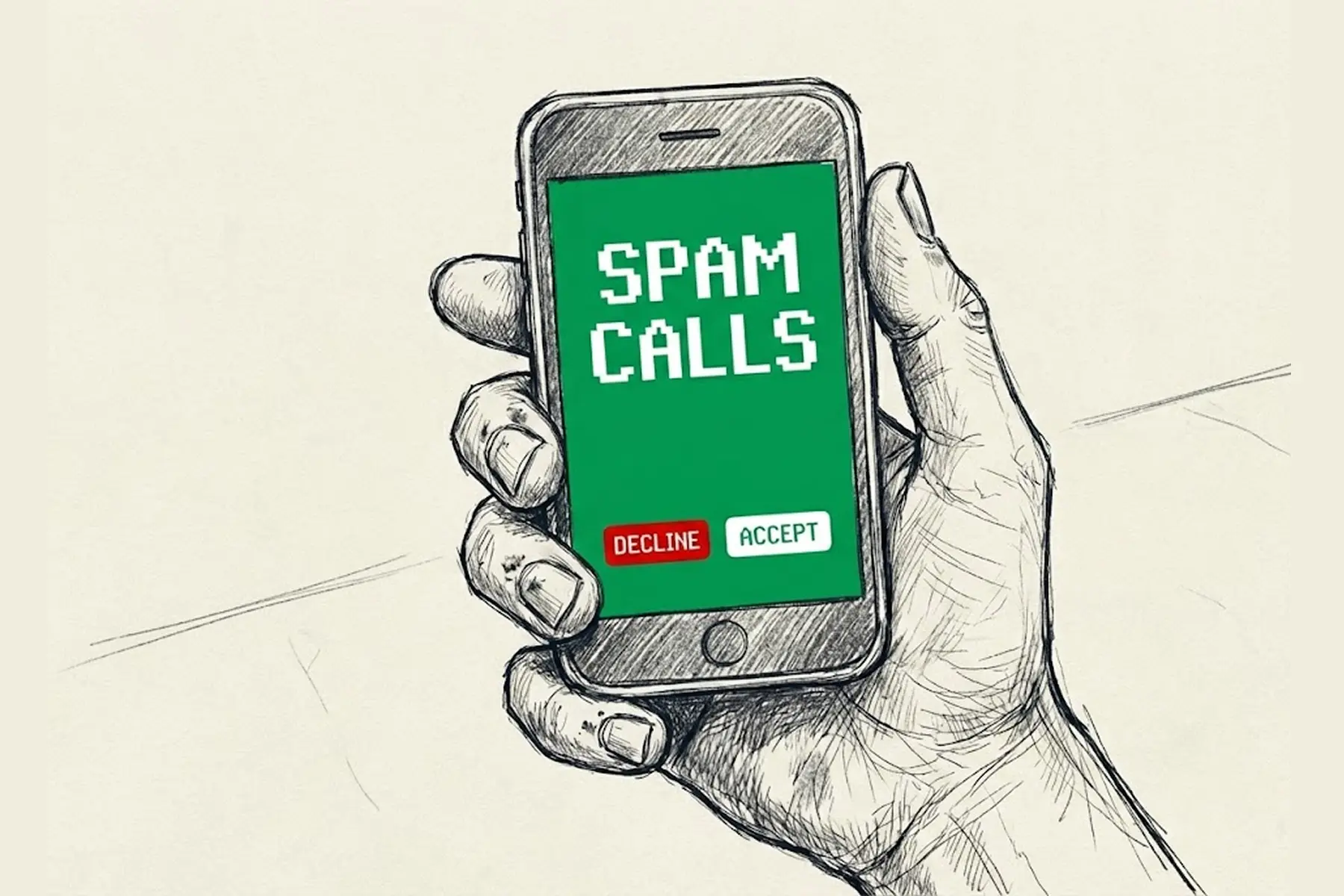
U.S. consumers received 52.5 billion robocalls in 2025. That's a 20% jump from the year before.
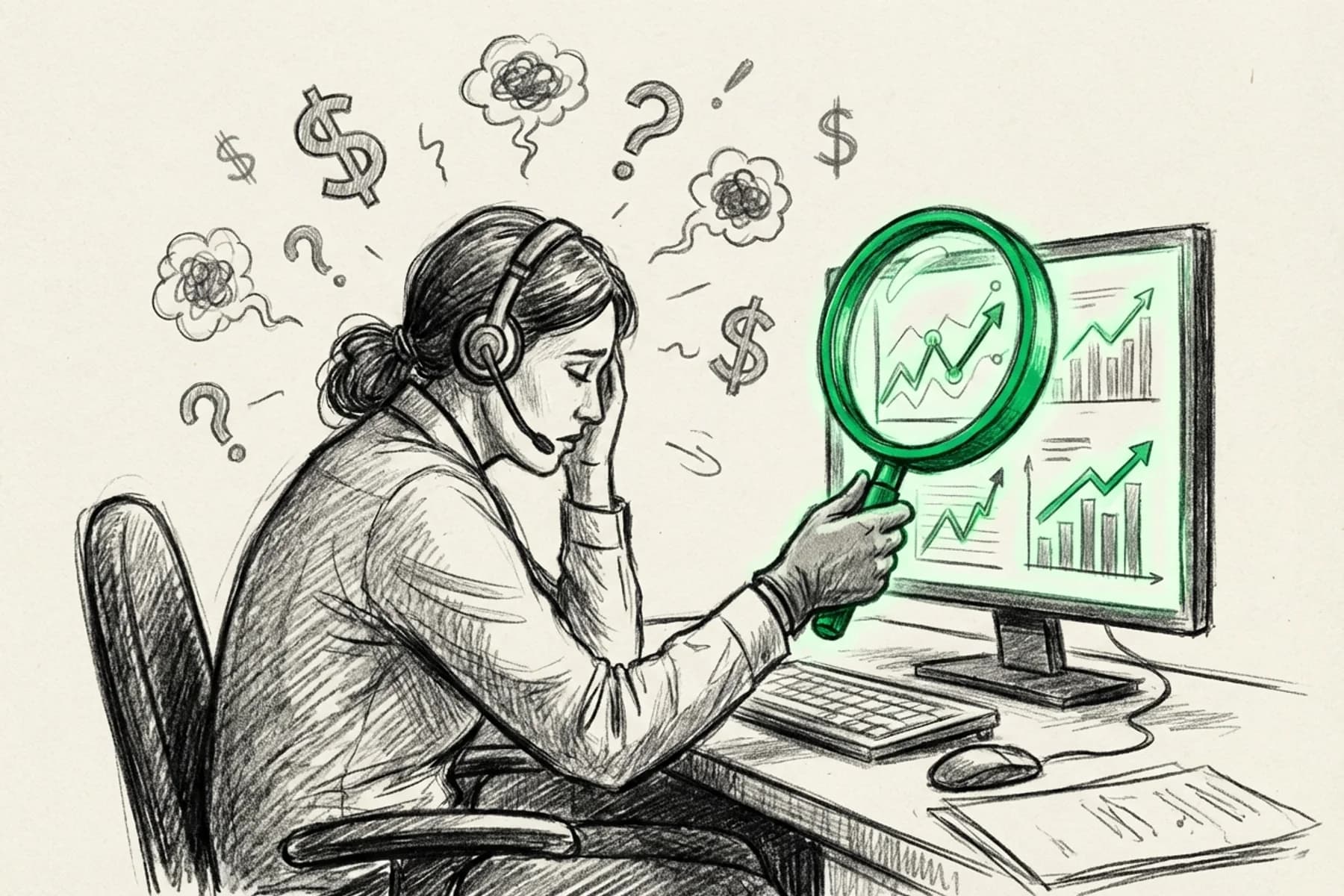
Some days your phone stays quiet. Other days, it rings 20+ times with nothing but junk.
Unwanted telemarketing and scam calls now make up 57% of all robocalls. No wonder you've trained yourself to let unknown numbers roll to voicemail.
It feels smart. Logical, even.
But here's the tension worth sitting with: What if that "solution" is quietly costing you more than the spam ever did?
For trade businesses drowning in spam calls, voicemail feels like the only option. It's not. We've written before about what actually happens when your calls go to voicemail. The answer isn't pretty.
Do legitimate customers actually leave voicemails?
"Real customers leave messages" sounds true. It's not.
80% of calls that go to voicemail don't result in a message. People just hang up.
70% of consumers aged 18-34 prefer texting over calling
80% would rather send a text than leave a voicemail
And here's the number that should keep you up at night: 80-85% of callers won't bother to call back if you don't answer. They move on to the next business on Google.
When someone's AC dies in July or a pipe bursts at 6 AM, they're calling 2-3 companies. The first live voice wins.
Voicemail doesn't filter spam from customers. It treats them exactly the same. And customers notice.
Is it okay to miss calls if you're too busy to help anyway?
This rationalization feels airtight: "Even if I answered, I couldn't dispatch today. They'd call someone else anyway."
78% of customers buy from the first company that responds to their inquiry. Not the cheapest. Not the best-reviewed. The first.
The cliff is steep: Companies that contact leads within 5 minutes are 21x more likely to qualify that lead than those who wait 30 minutes. After that window closes, your odds crater.
Here's what the "too busy" mindset misses: answering doesn't mean dispatching.
A homeowner with a broken furnace in February doesn't need you at their door in the next hour. They need to know someone competent heard them, understood the problem, and has them on the schedule. That's it.
The anxiety of "will anyone help me?" is what sends them to your competitor. Not your availability today.
Even if you can't dispatch until tomorrow, capturing that lead means you own the relationship. Your competitor who answered? They already have.
They're not just booking one job. They're potentially earning every service call, maintenance contract, and referral that customer represents for the next decade.
You're not losing a $200 service call. You're losing a customer worth $10,000+ over their lifetime.
This is exactly why some contractors have shifted to systems that close deals around the clock. Not by working 24/7 themselves. By ensuring every real opportunity gets captured the moment it comes in.
How can small businesses filter spam calls without missing customers?
The answer isn't an answering service. It's an intelligent filter.
Traditional answering services create a different problem: now you're paying someone to take messages from spam callers too. They just transcribe whatever the caller says and pass it along for you to sort through later.
AI lead qualification works differently. It engages every caller, qualifies intent in real-time, and only escalates real opportunities to you. Spam gets filtered out. Real leads get captured. No voicemail roulette required.
Think of it as a smart gatekeeper who knows your business:
Spam call comes in? AI recognizes the pattern and handles it without wasting your time
Tire-kicker asking vague questions? AI gathers details and determines if it's worth your attention
Homeowner with a burst pipe? AI dispatch captures the emergency details, confirms their address, and alerts you immediately
The difference in action:
Approach | What Happens |
|---|---|
Voicemail | Blocks everyone equally. Hopes real customers jump through hoops. |
Answering Service | Takes messages from everyone. Leaves you to sort noise from gold. |
AI | Engages instantly. Asks qualifying questions. Routes based on intent and urgency. |
One Tradesly’s customer doubled their booking rate after switching from voicemail to AI answering. The industry average HVAC booking rate sits at 42%. Imagine doubling that without adding staff or screening calls yourself.
The phone stops being a burden. It starts being what it was supposed to be: a direct line to revenue.
Can AI actually help with spam calls for businesses?
Yes. But not how you might think.
Most "spam blocking" apps work by checking caller ID against known bad numbers. The problem? Scammers rotate numbers constantly. You're always one step behind.
AI flips the script. Instead of trying to block bad callers, it qualifies good ones.
When a call comes in, AI engages immediately. It asks questions. It listens for intent. A robocall can't answer "What's the issue with your HVAC system?" A real customer can.
This is the difference between a wall and a gate. A wall blocks everyone. A gate lets the right people through.
For trade businesses dealing with unwanted calls, this changes everything. You stop playing defense. You start capturing every real opportunity while spam handles itself.
Stop gambling, start filtering
Voicemail is a wall that blocks everyone equally.
AI is a gate that lets the right people through.
You didn't create the spam problem. But you don't have to let it steal your revenue either.
The fix isn't working harder or screening calls yourself. It's building a system that does the filtering for you. That's discipline. That's preparation.