


Your Best Techs Are Quitting Because Your CSRs Are Booking Bad Jobs
Your best HVAC techs aren't leaving for money. They're leaving because CSRs are booking bad jobs. Learn why call quality drives retention and how to fix dispatch for good.

The Silent Turnover Driver: Why CSR Failures Tank Technician Retention
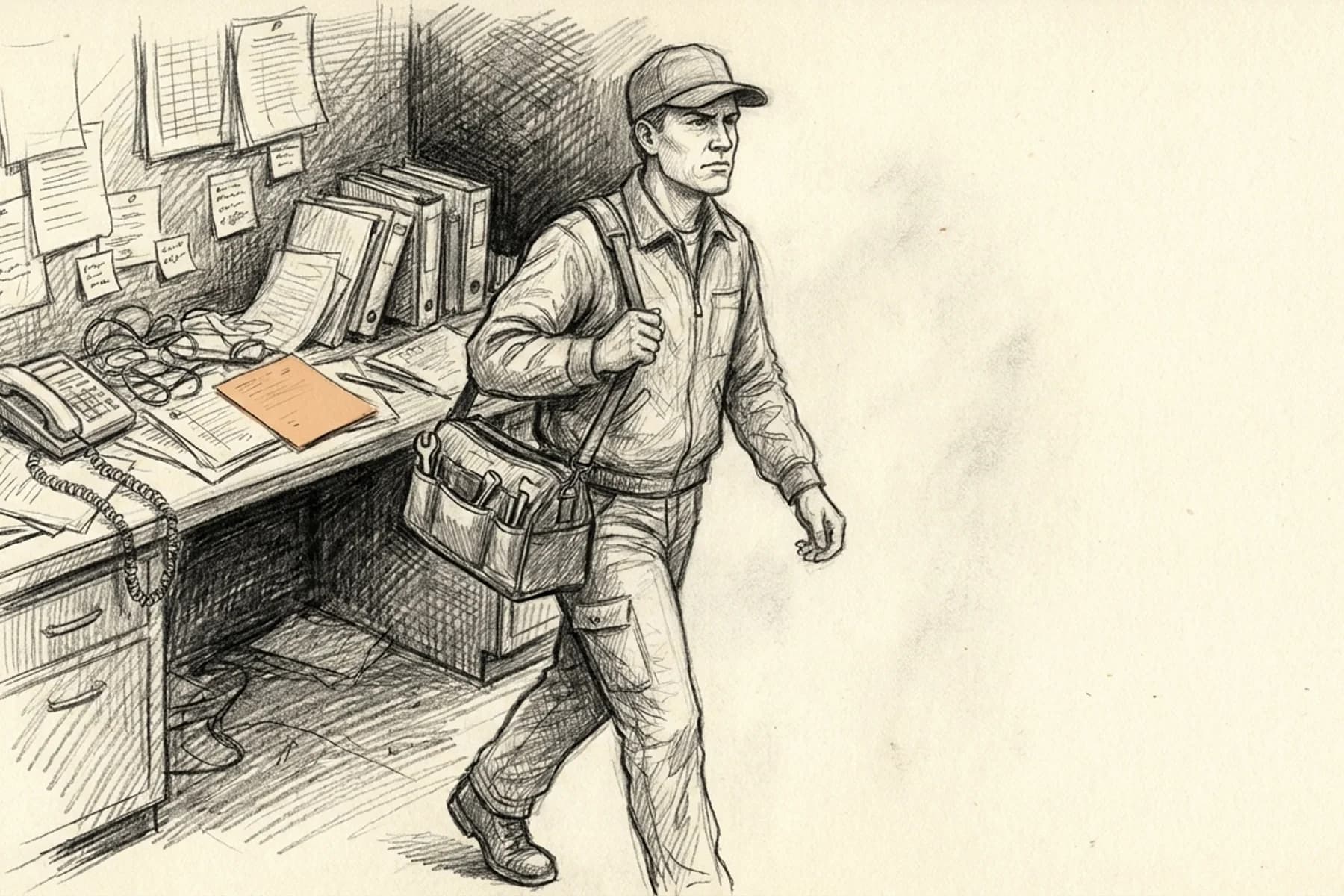
You're losing your best technicians. Not to competitors offering $5 more per hour. Not to burnout from long hours. They're leaving because the jobs they're being sent to are bad—and someone in your office is booking them anyway.
The technician retention crisis in home services isn't a hiring problem. It's a call-qualification problem. When CSRs fail to filter leads properly, skilled techs get stuck on low-value, frustrating jobs. They burnout. They leave. And you're left wondering why a 10% raise didn't fix anything.
Technician Retention is the ability to keep experienced field staff engaged and employed long-term. It's directly tied to job quality, utilization rates, and the quality of work being dispatched from the office—not just compensation.
Why are my best HVAC technicians quitting even though I pay them well?
Your best techs are leaving because they're demoralized by bad jobs, not underpaid. Replacing a skilled technician costs 100%–150% of their salary. For a 20-tech shop, that's over $275,000 in annual turnover expense. But the real leak isn't salary—it's job quality.
I've watched this pattern repeat across dozens of home service shops. An experienced HVAC tech comes in motivated, skilled, and ready to deliver. Within six months, they're frustrated. Within a year, they're gone. The owner is baffled because they just raised wages 8%. What they missed: the technician is spending three hours per day on jobs that should have taken one.
The problem isn't the technician's work ethic. It's the office's qualification process.
How does call quality affect technician morale and retention?
Poor call qualification directly destroys technician morale and drives turnover. When a CSR books a call without properly qualifying the customer or scope, the technician inherits the problem.
Here's how it breaks down:
- The unqualified lead arrives. Customer hasn't committed to a price range. Scope is vague. Red flags were missed.
- The technician arrives unprepared. They brought the wrong equipment. The customer is hostile or indecisive. The job is smaller (or bigger) than expected.
- The visit becomes a disaster. Time is wasted. The estimate doesn't close. A return trip is needed.
- The technician returns frustrated. They realize their expertise was wasted on a job that should have been filtered in the first place.
- This repeats 3–5 times per week. Over months, the accumulated frustration becomes burnout.
- Your best people leave. High-performers have options. They choose companies that respect their time.
Poor communication and unclear job expectations contribute significantly to technician burnout and stress. But this isn't about attitude—it's about systems. A technician sent on three unqualified jobs a day experiences the same burnout as someone working 12-hour days with good jobs.
What's the real cost of technician turnover in home services?
The math is brutal. For a team of 20 technicians with a 17.5% turnover rate, you're losing 3–4 employees annually and incurring over $275,000 in turnover costs. That includes recruiting, hiring, training, lost productivity, and eroded customer relationships.
But here's what most operators miss: the hidden cost of retained-but-demoralized staff. A technician who stays but is unhappy delivers lower-quality work, books fewer upsells, generates fewer referrals, and has lower utilization rates. You keep the body but lose the output.
The highest-performing technicians are the first to leave because they have options. When field technicians know their week is partially filled with scheduled tune-ups rather than entirely dependent on emergency dispatch, job satisfaction improves and turnover drops. Recurring revenue models keep techs productive and satisfied because they provide predictable, quality work.
How can I improve technician job satisfaction without raising wages?
Stop trying to culture-initiative your way out of a systems problem. Retention bonuses and team-building events don't fix bad dispatch. You need to improve the quality of jobs being sent to the field.
This means:
- Audit your call qualification process. Are CSRs trained to dig for red flags? Do they know how to handle price objections? Can they say "no" to a bad lead?
- Measure job quality. Track metrics: job duration vs. estimate, first-visit close rates, technician satisfaction by job type, return-visit frequency. Bad data means bad decisions.
- Coach CSRs in real-time. When a price-shopper calls, the CSR should have guided language to navigate the conversation. When scope is unclear, they should know to dig deeper. When it's a bad lead, they should manage expectations (or pass).
- Give technicians the jobs they deserve. Consistently high-quality work builds confidence, reduces frustration, and keeps your best people engaged.
I've watched HVAC shops improve retention by 30%+ without raising base pay. They did it by fixing dispatch. The technicians stayed because the daily experience improved. They felt respected. The office had their back.
Why do poor CSR call qualification hurt technician retention?
CSRs aren't trained to qualify—they're trained to answer. When a customer says "How much?" or "Can you come today?", most CSRs either cave to pressure (booking a bad lead) or say no (losing the lead). Without real-time guidance or structured scripting, they make snap decisions that hurt both lead quality and technician morale.
The technician pays the price. They inherit the CSR's poor judgment. They show up to a job that's been oversold, undersold, or poorly scoped. Unclear job expectations are a significant factor contributing to burnout in field roles.
Here's the truth: good CSRs want to succeed too. They feel the frustration when they send a tech on a call that goes sideways. But without a system—without real-time coaching, without scripts, without clarity on what qualifies a good lead—they default to booking everything. The alternative feels like they're losing leads.
How do I fix this? The retention ROI of better call quality
Improving dispatch quality delivers retention at 1/10th the cost of other retention programs. Here's the math:
- Baseline cost per turnover: $55,000–$110,000+ per technician (recruiting, hiring, training, lost relationships, lost productivity)
- A 20-tech shop with 17.5% turnover: $275,000+ in annual waste
- Technician utilization in home services: Typically 60–75% of billable hours. Poor dispatch quality suppresses this by 5–10 percentage points.
- Improving dispatch quality by 10%: Increases tech utilization by 5–10 percentage points = $180,000+ in additional gross profit annually for a 20-tech shop
The technicians themselves benefit. Fewer bad jobs = fewer return visits = better efficiency = higher pay (if on flat rate or commission). Everyone wins.
But you can't get here with more hiring bonuses or pizza parties. You need systems.
The fix: Systems over culture initiatives
If you want to keep your best technicians, you have to give them the best jobs. Culture initiatives are table stakes—they're not enough if the daily experience is poor job quality.
The solution is to coach the CSR in real-time. When a price-shopper calls, the CSR gets AI-guided language to navigate the conversation. When scope is unclear, the system prompts them to dig deeper. When it's a bad lead, they know to manage expectations (or pass).
Technicians then get consistently high-quality jobs. They feel respected by the office. They stay longer. Retention compounds: stable team → better customer relationships → repeat business → more predictable work → even better retention.
See how AI-powered call coaching transforms your dispatch quality and retention. The demo takes 15 minutes. You'll see exactly how real-time CSR guidance eliminates bad bookings and gives technicians the jobs they deserve.
The bottom line: Retention starts on the phone
The skilled trades labor shortage is real. But many operators are making it worse by creating internal churn through poor dispatch.
The companies winning on retention aren't the ones with the highest pay. They're the ones with operational discipline. When a CSR qualifies a call correctly, the technician succeeds. When the technician succeeds, they stay. That's the loop.
Your best techs aren't job-hopping for an extra $5 per hour. They're leaving because they're tired of inheriting your office's mistakes. Stop throwing money at the problem. Fix the system instead. Your retention rate will thank you.
Keep reading
 Salary & Workforce
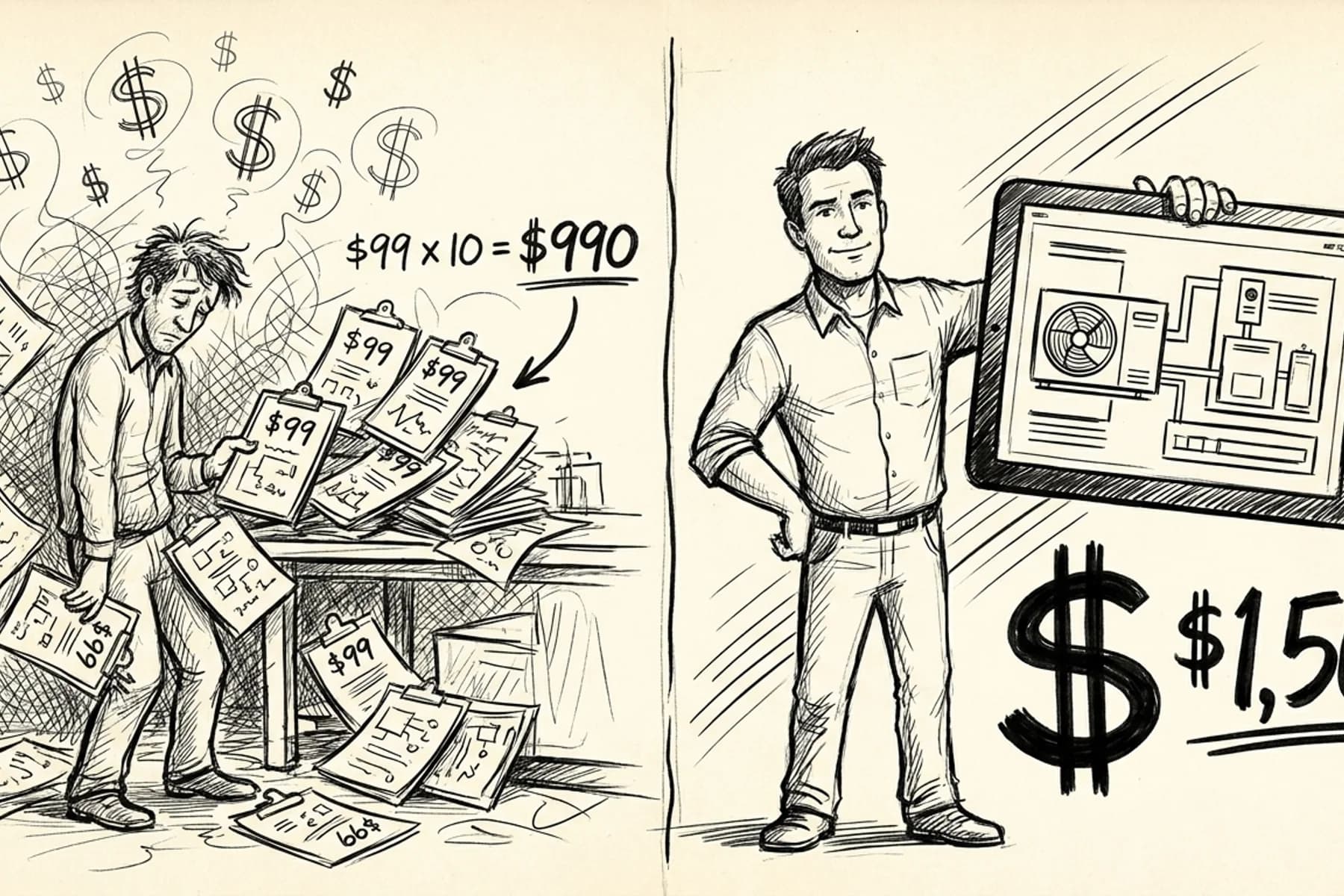
Revenue Per Technician: The Ultimate Guide to Benchmarking and Increasing Your Team's Output
7 min read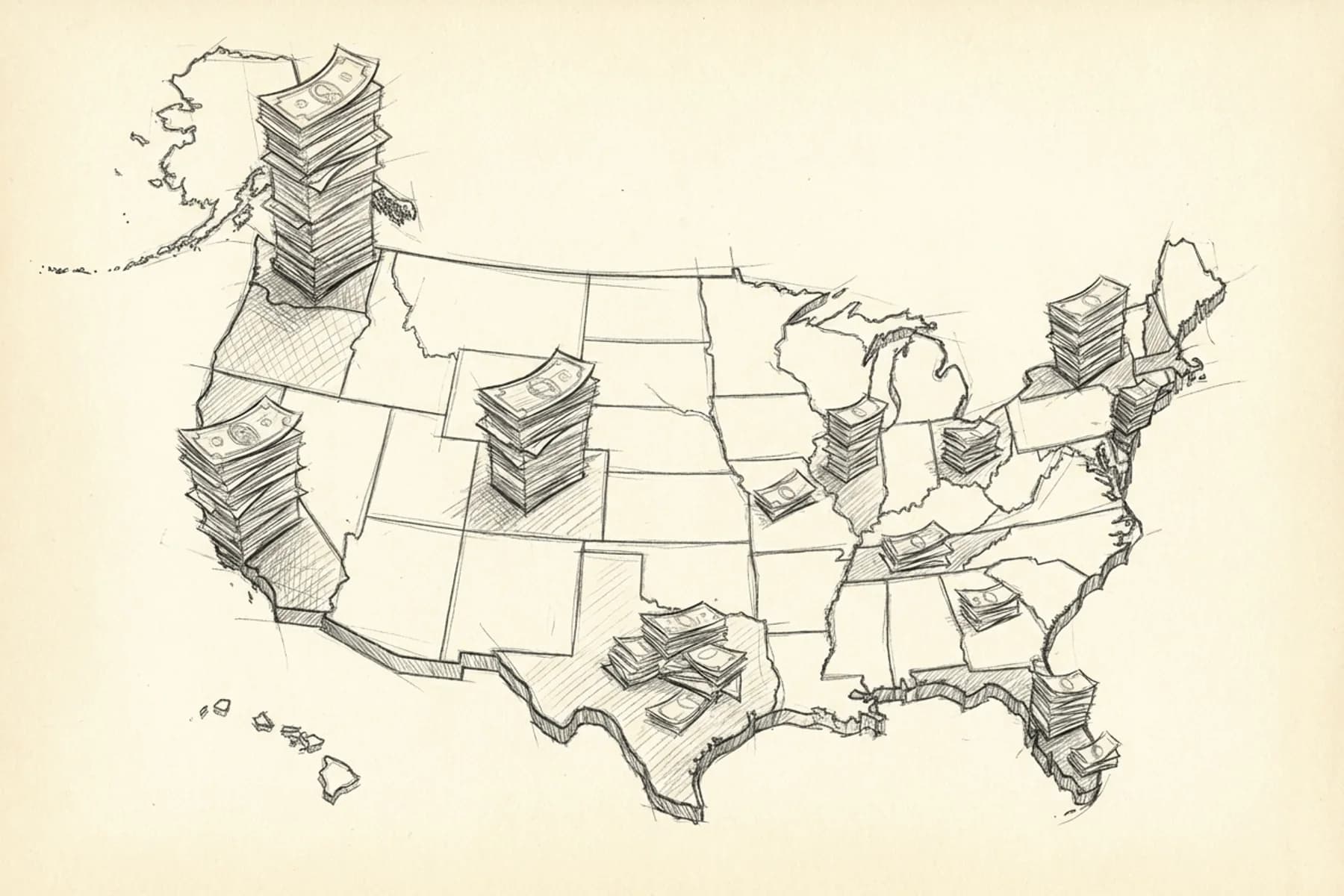 Salary & Workforce
The Ultimate 2026 HVAC Technician Salary Guide (State-by-State Data)
7 min read Salary & Workforce
What to Pay Your Powerhouse Dispatcher: 2026 Salary Benchmarks & How AI Boosts Their Value
7 min read